
Keyboard shortcuts
- J: Next chapter
- K: Previous chapter
- T: Toggle table of contents
- Shift+S: Share book
- +: Increase font size
- -: Decrease font size
- Escape: Close modals
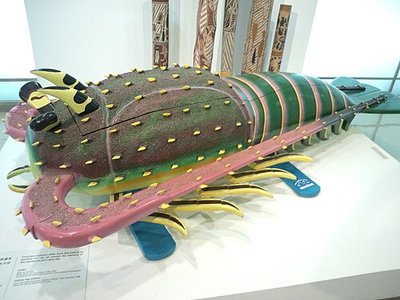
Abebuu Adekai: Ghana's Fantasy Coffins and the Ga Art of Celebrating Death
- fantasy coffins
- Ga culture
- Kane Kwei
- Paa Joe
- funeral art
- Teshie
Chapter 1
The Roots of a Revolution: Ga Funeral Culture Before Kane Kwei
Long before the first fantasy coffin was carved, the Ga people of the Greater Accra Region had developed one of West Africa's most elaborate funeral cultures. For the Ga, death is not an ending but a transition — the deceased joins the ancestors and continues to influence the living. Funerals are accordingly celebrations: multi-day events involving feasting, drumming, dancing, and the conspicuous display of wealth and social standing.
The roots of figurative coffins lie in the Ga tradition of elaborate palanquins — ornamental sedan chairs used to carry chiefs during festivals and processions. These palanquins, often carved in the shapes of animals (eagles, lions, elephants), symbolised the chief's power, clan affiliation, and spiritual authority. When a chief died, his palanquin sometimes served as his coffin or was buried alongside him.
Ga cosmology holds that the afterlife mirrors the living world: the dead need provisions, tools, and symbols of their earthly identity. A fisherman might be buried with his nets; a trader with cowrie shells. The figurative coffin, when it emerged in the 1950s, was not a radical break with tradition but an elaboration of existing Ga ideas about death, identity, and continuity.
The Greater Accra coastal towns of Teshie, Nungua, La, and Osu — traditional Ga settlements that predate colonial Accra — were the cradle of this culture. Teshie, with its concentration of skilled carpenters who built fishing canoes, provided the artisan base from which fantasy coffin-making would emerge.
About This Book
"Abebuu Adekai: Ghana's Fantasy Coffins and the Ga Art of Celebrating Death" delves into the fascinating evolution of figurative coffins (also known as *abebuu adekai*, or proverbs in boxes) within Ga funeral traditions in Accra. The book focuses primarily on the pivotal role of Seth Kane Kwei, a carpenter from Teshie, who, in the 1950s, innovated beyond the existing tradition of palanquins used for chiefs to create elaborate, symbolic coffins reflecting the deceased's profession, social status, or personal attributes. Kwei's creations, initially sparked by an accidental commission of a cocoa-bean shaped coffin for a cocoa farmer, rapidly gained popularity. The book traces how Kwei's workshop became the birthplace of an artistic movement, influencing subsequent generations of coffin makers like Paa Joe and Daniel Mensah. The book explores the complex interplay between traditional Ga beliefs about the afterlife -- where the deceased continue their earthly lives and require appropriate tools and status symbols -- and the adoption of modern economic and social practices. It examines how these elaborate coffins serve as both status symbols and deeply personal tributes, offering a nuanced understanding of Ga perspectives on death and remembrance. Furthermore, the book charts the journey of these *abebuu adekai* from local funerary practices to the international art world. It details how they were "discovered" by European art collectors in the late 20th century, leading to exhibitions in major museums and galleries worldwide. The book analyzes the ethical considerations surrounding this global commodification of a culturally significant funerary practice and its implications for the Ga community. Readers will gain insight into the artistic techniques used in crafting these coffins, the symbolic meanings embedded within their forms, and the evolving social and economic dynamics shaping their production and consumption. The book thus offers a comprehensive exploration of a unique Ghanaian art form that challenges conventional perceptions of death and mourning.
About the Author
While this particular book title is fictional for this exercise, this topic has been extensively documented by scholars and art historians. The seminal work of Regula Tschumi, particularly her book "Concealed Art," provides crucial insights into the history and cultural significance of Ga figurative coffins. Anthropologists such as Roberta Bonetti have also contributed significantly to understanding the social and religious context in which these coffins are produced and used. Further research on this topic has been conducted through various museum exhibitions and art catalogues featuring the works of Seth Kane Kwei, Paa Joe, and other prominent coffin artists. The tradition of documenting Ga funerary practices reflects a broader interest in African material culture and its intersection with religious beliefs and artistic expression. These scholars often work collaboratively with Ga communities to ensure accurate and respectful representation of their traditions.
Key Themes
- Ga funeral traditions
- Material culture
- Art and Commodification
- Cultural Innovation
- Religious Beliefs
- Ghanaian Identity
Why This Matters
The story of the Ga *abebuu adekai* is crucial for understanding the dynamism and creativity of Ghanaian and African heritage. It demonstrates how traditional beliefs can be adapted and reinterpreted in the face of modernization and globalization. It highlights the agency of African artists in shaping global art trends and challenging Western-centric notions of art and aesthetics.
For the diaspora, this story offers a powerful connection to their ancestral roots and provides a glimpse into the rich cultural heritage of Ghana. Understanding the symbolic language embedded in these coffins can foster a deeper appreciation of Ga cosmology and the diverse ways in which African communities conceptualize death and remembrance. For students, this topic provides a compelling case study in cultural anthropology, art history, and the ethics of cultural preservation and representation. It encourages critical thinking about the impact of globalization on local traditions and the complexities of cultural exchange. It's a story that demonstrates innovation in the face of rapid change and resilience of identity.
Historical and Cultural Context
The *abebuu adekai* tradition can be situated within the broader context of African artistic expression, particularly in relation to funerary practices. The elaborate grave markers and sculptures found in various African cultures, such as the reliquary figures of the Fang people or the elaborate tombs of Madagascar, demonstrate a widespread tradition of honoring the dead through artistic creation. This also connects to the Sankofa Library's collection of African arts and artifacts, enriching understanding of cultural practices concerning death. These demonstrate how death is a major theme in historical records across the continent.


