Keyboard shortcuts
- J: Next chapter
- K: Previous chapter
- T: Toggle table of contents
- Shift+S: Share book
- +: Increase font size
- -: Decrease font size
- Escape: Close modals
Esa ne Fo: The Asafo Warrior Companies, Posuban Shrines, and the Military Art of the Fante Coast
↓Chapter 1
Overview
The Asafo warrior companies of the Fante coast represent one of Ghana most distinctive military and cultural institutions.
About This Book
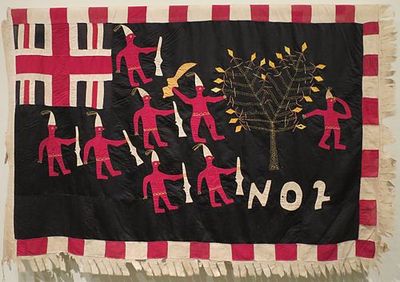
"Esa ne Fo: The Asafo Warrior Companies, Posuban Shrines, and the Military Art of the Fante Coast" delves into the multifaceted world of the Fante Asafo, the traditional warrior organizations that were crucial to the defense, governance, and social life of the Fante states along the Gold Coast. The book meticulously examines the Asafo's evolution from primarily military units into complex socio-political entities, tracing their influence from the pre-colonial era through the period of European contact and beyond. It emphasizes the Asafo's critical role in resisting European encroachment, particularly the Dutch and British, highlighting specific battles and strategies employed to safeguard Fante territory and sovereignty. The narrative meticulously unpacks the organizational structure of the Asafo, exploring the hierarchical system of leadership, the diverse roles and responsibilities of its members, and the significance of age grades within the companies. It analyzes the intricate system of military training, weaponry, and tactics employed by the Asafo, offering insights into the Fante's sophisticated understanding of warfare and defense. Beyond their military function, the book sheds light on the Asafo's profound cultural significance. It explores the symbolism embedded in their regalia, flags (Frankaa), and war songs, revealing how these elements served to instill unity, boost morale, and communicate complex political messages. Special attention is given to the Posuban shrines, the elaborate fortified structures built by the Asafo companies, not only as defensive positions, but as powerful expressions of identity, artistic skill, and spiritual beliefs. These Posuban, adorned with sculptures and symbolic imagery, served as focal points for Asafo rituals, meetings, and the assertion of their presence within the community. The book also looks at the social and political rivalries between Asafo companies, demonstrating how these tensions shaped the political landscape of the Fante states. Readers will gain an understanding of the Asafo's role in shaping Fante identity, promoting social cohesion, and defending their territories against external threats, thus understanding their importance in the broader context of Ghanaian history.
About the Author
The study of Fante Asafo companies and their Posuban shrines has a rich tradition, drawing on the work of historians, anthropologists, and art historians. Early colonial administrators like J.M. Sarbah, in his "Fanti Customary Laws," provided initial, though often biased, accounts of Asafo institutions. Scholars such as Peter Sarpong, in his numerous works on Ghanaian culture, have contributed to understanding the religious and social significance of the Asafo. Contemporary researchers, including Dr. Boateng and others specializing in material culture and oral traditions, have expanded our knowledge of Posuban architecture and symbolism, often working in collaboration with Fante communities. The ongoing efforts to document and preserve Asafo traditions reflect a commitment to celebrating and safeguarding this vital aspect of Fante and Ghanaian heritage.
Key Themes
- Military Organization
- Political Power
- Cultural Expression
- Resistance to Colonialism
- Posuban Architecture
- Fante Identity
Why This Matters
The story of the Asafo is crucial for understanding the dynamism and resilience of pre-colonial African societies. Their sophisticated military strategies and complex socio-political organization challenge simplistic narratives of African history often presented in the West. The Asafo's resistance to European encroachment serves as an inspiration, highlighting the agency and determination of African communities in defending their sovereignty.
For the Ghanaian diaspora, the Asafo represent a tangible connection to their ancestral heritage, reminding them of the rich cultural and historical legacy they inherit. Students can learn valuable lessons about leadership, community organization, and the importance of preserving cultural traditions in the face of external pressures. Engaging with the story of the Asafo fosters a deeper appreciation for the complexity and ingenuity of Ghanaian history, promoting cultural pride and understanding. It shows the importance of localized defense, and the ingenuity and cultural expressions that surround it.
Historical and Cultural Context
The Asafo system shares similarities with warrior organizations found in other Akan groups, such as the *nkɔnsɔnfoɔ* (scouts) in Asante. Their function, however, was focused more on scouting, while the Asafo functioned as a standing army. The Asafo tradition also resonates with broader themes of resistance against colonialism found throughout the continent. Within the Sankofa Digital Heritage Library, this book complements other texts exploring pre-colonial military structures and anti-colonial movements in Africa, providing a comparative perspective on African responses to European expansion. The traditions of the Asafo exemplify the political organization of the coastal peoples.