
Keyboard shortcuts
- J: Next chapter
- K: Previous chapter
- T: Toggle table of contents
- Shift+S: Share book
- +: Increase font size
- -: Decrease font size
- Escape: Close modals
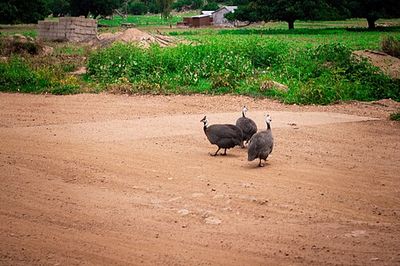
The Guinea Fowl War: Ethnic Conflict, Land, and the Fragility of Peace in Northern Ghana (1981-2015)
↓Chapter 1
Overview
From a market dispute over a guinea fowl to a six-month war that killed up to 2000 people and displaced 150000.
About This Book
"The Guinea Fowl War: Ethnic Conflict, Land, and the Fragility of Peace in Northern Ghana (1981-2015)" offers a critical examination of one of Ghana's most devastating internal conflicts. The book meticulously unpacks the complex interplay of factors that ignited and sustained the tensions between the Konkomba and Nanumba communities in the Northern Region, culminating in the violent clashes of 1994, often referred to as the Guinea Fowl War due to a seemingly minor incident involving a disagreement over a guinea fowl. The study delves into the deep-seated historical grievances related to land ownership and access. It reveals how pre-colonial social structures, colonial administrative policies, and post-independence governance failures contributed to the exacerbation of existing ethnic fault lines. The book details the historical narrative of the Konkomba people's struggle for recognition and autonomy within the traditional political hierarchies dominated by the Nanumba, Dagomba, and Gonja groups. It analyzes how the politicization of ethnicity and the manipulation of traditional authority by political elites further fueled the conflict. The narrative explores the economic dimensions, highlighting the competition for scarce resources such as arable land and water, which further aggravated inter-ethnic tensions. The book presents a sobering account of the human cost of the conflict, detailing the loss of lives, displacement of communities, and the long-term socio-economic consequences that continue to affect the region. Moreover, the work analyzes the various attempts at conflict resolution and peacebuilding, evaluating their successes and failures. It examines the role of traditional authorities, state institutions, and civil society organizations in promoting reconciliation and fostering sustainable peace. The book ultimately argues that a deeper understanding of the historical roots of the conflict, coupled with equitable land distribution policies and inclusive governance structures, is crucial for preventing future outbreaks of violence and building a more peaceful and prosperous Northern Ghana. Readers will gain insight into the complexities of ethnic conflict, the challenges of nation-building, and the importance of addressing historical injustices in promoting lasting peace.
About the Author
The scholarship on ethnic conflict in Northern Ghana builds upon a rich tradition of research by historians, anthropologists, and political scientists. Works by scholars such as Martin Staniland, who examined the broader context of political clientelism in Ghana, laid important groundwork. More specifically, scholars like Dr. Abdulai Iddrisu have contributed significantly to our understanding of land tenure systems and their impact on inter-ethnic relations in the region. These scholars, along with oral historians and community researchers, provide essential context for understanding the complexities of the Konkomba-Nanumba conflict. Their work often emphasizes the importance of local perspectives and the need for culturally sensitive approaches to conflict resolution. This book draws upon and contributes to this body of knowledge, offering a nuanced analysis of the historical, political, and socio-economic factors that underpin the conflict.
Key Themes
- Ethnic conflict
- Land tenure
- Political marginalization
- Conflict resolution
- Northern Ghana
- Traditional authority
- Post-colonial state
Why This Matters
The Guinea Fowl War serves as a crucial case study for understanding the fragility of peace in post-colonial African states. It highlights the dangers of unresolved historical grievances, unequal resource distribution, and the manipulation of ethnic identities for political gain. Understanding this conflict is vital for Ghanaian heritage as it exposes the persistent challenges to national unity and the need for inclusive governance.
For the diaspora, this story offers insights into the complexities of identity and belonging in Africa, urging a critical examination of the legacies of colonialism and the importance of supporting sustainable development and conflict resolution initiatives. Students, in particular, can learn valuable lessons about the importance of historical analysis, the dynamics of ethnic relations, and the challenges of building just and equitable societies. The conflict's contemporary relevance lies in its continued impact on the region's socio-economic development and the ongoing efforts to promote reconciliation and lasting peace.
Historical and Cultural Context
The Guinea Fowl War is intricately linked to broader patterns of conflict and resource competition across Africa. Issues of land ownership, particularly in areas with diverse ethnic groups and customary land tenure systems, have been a recurring source of tension in many post-colonial states. Within the Sankofa Library, this book resonates with other narratives exploring the impact of colonial boundaries on ethnic relations and the challenges of nation-building in diverse societies. Understanding these connections provides a richer understanding of the complexities of African history and the persistent challenges to peace and development.
Sources & References
- Wikipedia
- UCDP
- GlobalSecurity
- GhanaRemembers
- UNHCR Refworld
- Jon Kirby