Keyboard shortcuts
- J: Next chapter
- K: Previous chapter
- T: Toggle table of contents
- Shift+S: Share book
- +: Increase font size
- -: Decrease font size
- Escape: Close modals
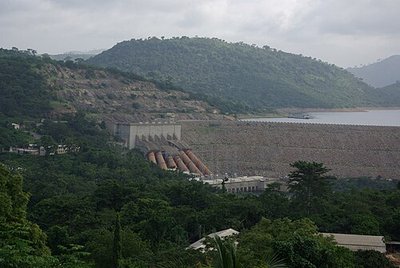
Harnessing the Volta: The Akosombo Dam, Lake Volta, and the Price of Nkrumah's Electrification Dream (1915-2024)
↓Chapter 1
The Dream Before the Dam: From Kitson's Survey to Nkrumah's Obsession (1915-1960)
The idea of damming the Volta River predates Ghanaian independence by four decades. In 1915, Albert Ernest Kitson, a British geologist conducting a survey of the Gold Coast's mineral resources, noted the enormous hydroelectric potential of the Volta River gorge near Akosombo in the Eastern Region. Kitson envisioned a dam that could power an aluminium smelter, exploiting Ghana's bauxite reserves at Kibi, Nyinahin, and Awaso — estimated at over 200 million tonnes, among the largest in West Africa.
No plans were drawn until the 1940s, when the colonial government commissioned the South African engineer Sir William Halcrow to produce a feasibility study. The 1949 Halcrow Report proposed an integrated Volta River Project: a dam at Ajena (later moved to Akosombo), an aluminium smelter at Kpong, and a deep-water port at Tema. The estimated cost of £130 million made it one of the most expensive infrastructure proposals in colonial Africa. The Gold Coast government under Governor Charles Noble Arden-Clarke established the Volta River Preparatory Commission in 1953, but British financing was not forthcoming.
When Kwame Nkrumah became Prime Minister in 1952 and then President of independent Ghana in 1960, the Volta River Project became his defining ambition. Nkrumah saw electrification as the prerequisite for industrialisation, and industrialisation as the path from colonial dependency to genuine sovereignty. "We must harness the Volta," he declared, "and make it serve the people of Ghana." He personally chaired negotiations with international partners, travelling to Washington, London, and New York to secure financing. The project became inseparable from Nkrumah's vision of African modernisation — and from his political legacy.
About This Book
"Harnessing the Volta" meticulously charts the complex and often contradictory history of the Akosombo Dam and Lake Volta, a project that irrevocably altered Ghana's landscape and trajectory. The book begins with the pre-independence era, tracing Albert Kitson's early 20th-century geological surveys that first identified the Volta River's hydroelectric potential. It then delves into the colonial discussions surrounding the project, revealing the initial hesitations and shifting priorities of the British administration. The narrative truly takes flight with Kwame Nkrumah's fervent embrace of the Volta River Project as a cornerstone of his industrialization agenda and a symbol of Ghana's post-colonial modernity. The book details the intricate negotiations with Kaiser Aluminum, the American company that became a key partner in realizing the dam, and analyzes the terms of the agreement, highlighting the economic benefits and the compromises made to secure foreign investment. It provides a frank assessment of the displacement of approximately 80,000 people from over 700 villages -- the social cost of development. The challenges of resettlement, the loss of ancestral lands, and the disruption of traditional livelihoods are given careful consideration, moving beyond mere statistics to humanize the experience of those most affected. Furthermore, the work examines the environmental consequences of creating Lake Volta, including changes in water quality, the spread of aquatic weeds, and the impact on fisheries. It explores the long-term effects on the surrounding ecosystem and the ongoing efforts to mitigate these challenges. Beyond the technical and economic aspects, the book investigates the cultural and symbolic significance of the Volta River Project, its place in Ghana's national narrative, and the ways in which it has shaped the country's identity. The epilogue reaches into the present, considering the legacy of Akosombo and the ongoing debates about its sustainability and equitable distribution of benefits as Ghana grapples with its energy needs and environmental stewardship in the 21st century.
About the Author
The study of the Akosombo Dam has been significantly shaped by Ghanaian scholars wrestling with the complexities of development and its impact on their nation. Academic disciplines like geography, history, and development studies contribute substantially. Historians like Richard Rathbone have provided crucial analyses of Nkrumah's economic policies, while geographers such as George Benneh documented the environmental changes associated with the creation of Lake Volta. Research from the Volta Basin Research Project at the University of Ghana has also been a primary source of data and analysis for years. International scholars and institutions, including the World Bank's own assessments, also contribute to understanding the long-term impacts of the dam. This book draws from these rich veins of academic inquiry, offering a comprehensive and nuanced perspective on the project’s multifaceted legacy.
Key Themes
- Development and Displacement
- Environmental Impact
- Neocolonialism
- Kwame Nkrumah and Modernization
- Hydroelectric Power
- Social Justice
- National Identity
Why This Matters
Understanding the history of the Akosombo Dam is crucial for grasping the complexities of development in post-colonial Africa. The story of Lake Volta is a microcosm of broader issues: the promises and pitfalls of large-scale infrastructure projects, the tension between economic progress and environmental sustainability, and the enduring legacy of colonial power dynamics.
For the Ghanaian diaspora, this book offers a critical lens through which to examine their heritage, sparking reflection on the sacrifices made in the name of progress and the ongoing struggles for equitable development. Students of African history will find this case study invaluable for understanding the challenges of nation-building, the role of international investment, and the importance of considering the social and ecological consequences of development initiatives. It is a reminder that progress is not always linear or universally beneficial, and that a deep understanding of the past is essential for shaping a more just and sustainable future.
Historical and Cultural Context
The Akosombo Dam project fits into a broader historical context of resource extraction and development initiatives across Africa during the 20th century. It shares similarities with other large-scale dam projects, such as the Kariba Dam on the Zambezi River, which also involved significant displacement and environmental disruption. Understanding Akosombo requires acknowledging the broader history of colonial and post-colonial development models that often prioritized economic growth over social and ecological considerations. The Sankofa Library houses materials relating to similar projects, allowing for comparative analysis and a deeper understanding of the recurring themes and challenges of development in Africa.