Keyboard shortcuts
- J: Next chapter
- K: Previous chapter
- T: Toggle table of contents
- Shift+S: Share book
- +: Increase font size
- -: Decrease font size
- Escape: Close modals
Chapter 1
Part 1
The closing years of the nineteenth century marked a tumultuous period for the Asante Kingdom, a powerful and highly organized state in what is now modern Ghana, renowned for its military prowess, intricate political structure, and rich cultural heritage. For decades, Asante had resisted British colonial incursions, engaging in a series of Anglo-Asante Wars that shaped the destiny of the Gold Coast. The British, driven by economic interests and a desire to control trade routes and resources, steadily chipped away at Asante's sovereignty. Following the Sagrenti War of 1874, Kumasi, the Asante capital, was sacked, but the kingdom largely retained its independence. However, the Fourth Anglo-Asante War in 1896 proved decisive. The British marched into Kumasi, encountering little resistance, and exiled the Asantehene, Prempeh I, along with many prominent chiefs, first to Sierra Leone and later to the Seychelles Islands. This act, a profound humiliation for the Asante, was intended to break their spirit and dismantle their political order.
With Asantehene Prempeh I in exile, the British established a residency in Kumasi and began to administer the territory, albeit without formally annexing it. The Asante people, though subdued, remained deeply resentful of the foreign occupation and the absence of their monarch. Central to Asante identity and spiritual belief was the Sika Dwa Kofi, the Golden Stool, believed to have descended from the heavens in the late 17th century, embodying the soul of the entire Asante nation. It was not merely a royal chair but the sacred repository of the spirit of the living, the dead, and those yet to be born, representing the unity and power of the Asante people. No king, not even the Asantehene, was permitted to sit on it; it was always placed on its own stool, draped in cloth, and treated with the utmost reverence.
The stage for the final confrontation was set with the arrival of Sir Frederick Hodgson, the British Governor of the Gold Coast, in Kumasi on March 25, 1900. Hodgson's visit was ostensibly to hold a durbar, a public assembly, with the remaining Asante chiefs and to address issues of taxation and administration. However, his true intention, fueled by a fundamental misunderstanding or deliberate disregard for Asante culture, was to assert absolute British authority and, critically, to obtain the Golden Stool.
About This Book
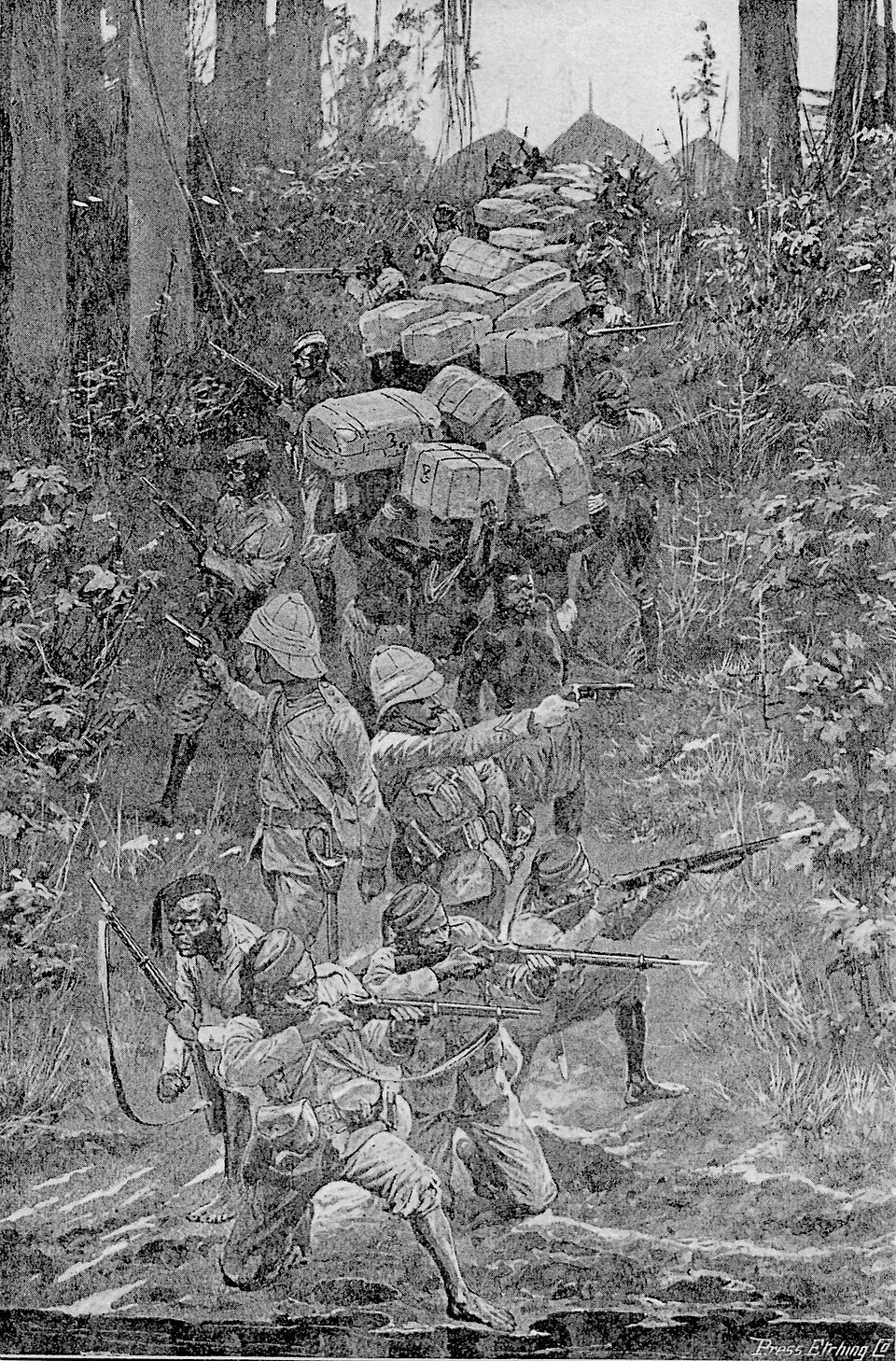
"Yaa Asantewaa and the War of the Golden Stool" delves into one of the most pivotal events in Asante and Ghanaian history -- the War of the Golden Stool, also known as the Yaa Asantewaa War of 1900. The narrative centers on the formidable Queen Mother of Ejisu, Yaa Asantewaa, whose unwavering courage and strategic leadership galvanized the Asante people to resist British colonial aggression. The book meticulously details the events leading up to the conflict, triggered by the British Governor-General Frederick Hodgson's ill-fated demand to sit upon, and thus possess, the Golden Stool (Sika Dwa) -- the ultimate symbol of Asante power, unity, and spiritual well-being. The reader will learn about the complex political landscape of the Asante Kingdom at the turn of the 20th century, a period marked by internal divisions and the lingering effects of previous Anglo-Asante wars. The book illuminates the roles of key Asante chiefs and figures, examining their varied responses to the British presence and Hodgson's audacious request. Emphasis is placed on Yaa Asantewaa's powerful oratory, which resonated deeply with the Asante populace, particularly the men who she famously shamed for their hesitation, igniting a widespread rebellion against British authority. The text chronicles the intense fighting that ensued, including the siege of Kumasi fort, where British forces were besieged by Asante warriors for months. The narrative highlights the military strategies employed by both sides, showcasing the Asante's resourcefulness in utilizing their knowledge of the terrain and employing guerilla tactics. The book further explores the consequences of the war, including the British capture and exile of Yaa Asantewaa and other Asante leaders, and the subsequent annexation of the Asante Kingdom as a British colony. Ultimately, this work demonstrates that even in military defeat, the War of the Golden Stool marked a significant moment of resistance that preserved Asante identity and laid the groundwork for eventual independence.
About the Author
The history of Yaa Asantewaa and the War of the Golden Stool is preserved through a rich tapestry of oral tradition passed down through generations within Asante communities. This history has been supplemented and contextualized by the work of scholars and historians such as Ivor Wilks, whose meticulous research into Asante history provides crucial background on Asante statecraft and the Anglo-Asante relations that preceded the war. Further important contributions have been made by Emmanuel Akyeampong, whose studies of Asante identity and resistance provide invaluable insights into the motivations and social dynamics of the era. The works of Albert Adu Boahen also contextualizes the conflict within the broader framework of colonial resistance in Africa. Contemporary researchers continue to draw on these established narratives, alongside archival material and ongoing oral history projects, to continually enrich our understanding of this pivotal moment in Ghanaian history. The narratives that have been collected and are maintained in this digital library serve as a testament to the enduring relevance of this pivotal event.
Key Themes
- Colonial resistance
- Asante culture and identity
- Female leadership
- The Golden Stool (Sika Dwa)
- Anglo-Asante relations
- Military strategy and warfare
Why This Matters
The story of Yaa Asantewaa and the War of the Golden Stool holds immense significance for understanding Ghanaian and African heritage. It embodies the spirit of resistance against colonial oppression and exemplifies the determination of the Asante people to safeguard their cultural heritage and sovereignty. The story's enduring relevance lies in its powerful message of self-determination and the importance of preserving cultural identity in the face of external threats.
For the diaspora, this narrative connects them to a proud history of African resistance and demonstrates the unwavering commitment of their ancestors to freedom. Students can learn valuable lessons about leadership, strategic thinking, and the importance of collective action in challenging injustice. Understanding this pivotal event allows both diaspora and students to appreciate the complexities of colonial history and recognize the agency of African peoples in shaping their own destinies. The story of Yaa Asantewaa serves as a powerful reminder of the ongoing need to protect and celebrate African heritage.
Historical and Cultural Context
The War of the Golden Stool must be understood within the broader context of the Scramble for Africa and the expansion of European colonial powers. Contemporaneous with other resistance movements across the continent, such as the Maji Maji Rebellion in German East Africa, the Asante uprising exemplifies a common thread of defiance against European domination. Within the Sankofa Library, this narrative connects with other accounts of pre-colonial African resistance and illuminates the diverse strategies employed by African societies to defend their autonomy and cultural integrity. It further highlights the crucial role that women played in these struggles, often defying societal norms to become powerful leaders and symbols of resistance.
Sources & References
- Akyeampong, E. (2006). Themes in West Africa History. James Currey.