Keyboard shortcuts
- J: Next chapter
- K: Previous chapter
- T: Toggle table of contents
- Shift+S: Share book
- +: Increase font size
- -: Decrease font size
- Escape: Close modals
Igniting the Flame: The 1948 Accra Riots, the Watson Commission, and the Genesis of Gold Coast Independence
- 1948 Accra Riots
- Watson Commission
- Gold Coast
- Independence Movement
- Ex-servicemen protests
- Colonialism
- Nationalism
- Kwame Nkrumah
- J.B. Danquah
- Big Six
- Decolonization
Chapter 1
The Gold Coast on the Brink: Post-War Discontent and Colonial Tensions
Explores the socio-economic conditions in the Gold Coast after World War II, focusing on the plight of ex-servicemen, rising cost of living, trade monopolies, and the growing nationalist sentiment against colonial rule.
About This Book
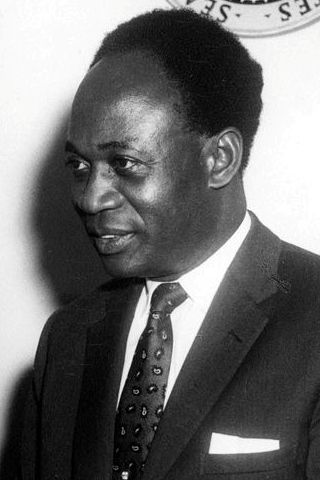
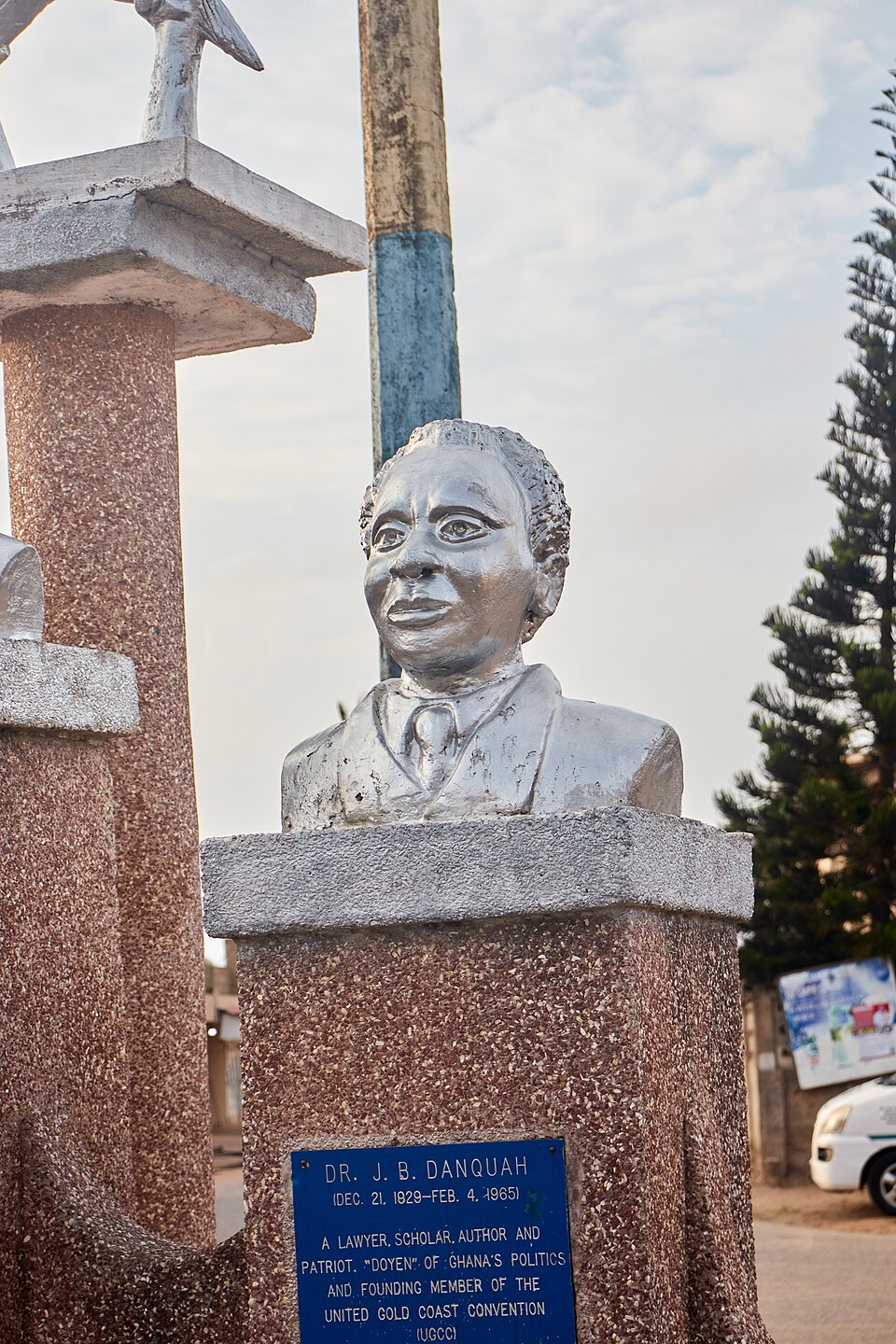
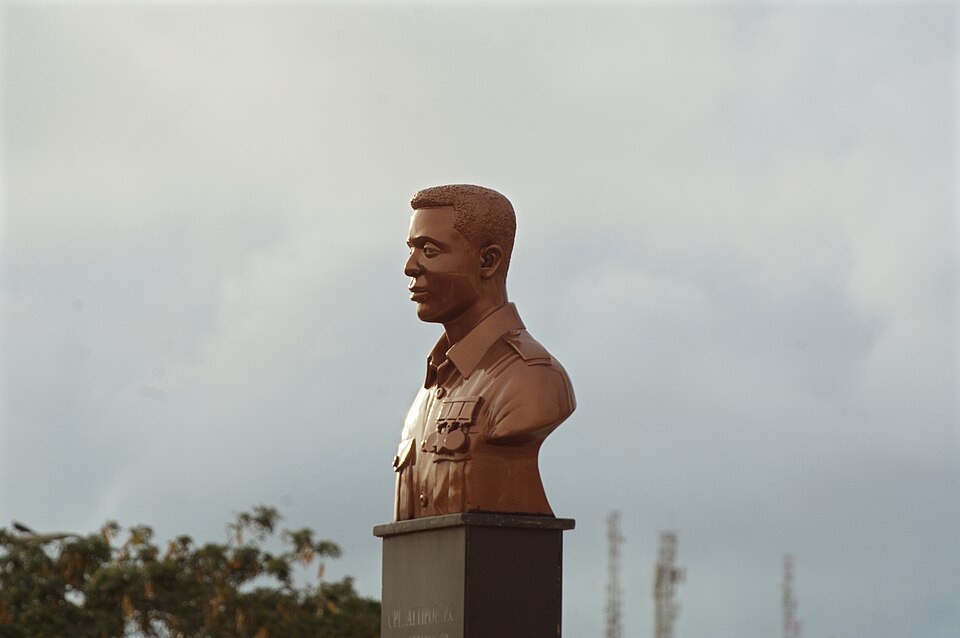
"Igniting the Flame" meticulously unpacks the complex tapestry of events leading to the 1948 Accra Riots, a watershed moment that propelled the Gold Coast towards self-governance. The narrative begins by highlighting the post-World War II disillusionment that gripped the colony. Returning Gold Coast soldiers, promised economic opportunities and societal integration for their service to the Crown, were instead met with unemployment, inflation, and a persistent color bar that relegated them to second-class citizenship. This betrayal fueled resentment and provided fertile ground for burgeoning nationalist sentiments. The book meticulously details the economic grievances prevalent amongst ordinary Gold Coasters. Colonial trade policies, particularly those controlled by the Association of West African Merchants (AWAM), are examined, revealing how they exploited local farmers and traders, contributing to widespread economic hardship. The boycott of European goods organized by Nii Kwabena Bonne III, the Osu Alata Mantse, is given due prominence. The account doesn’t shy away from exploring the political dynamics of the United Gold Coast Convention (UGCC), its internal debates, and its role in channeling popular discontent. The climax of the book centers on the fateful events of February 28, 1948, where unarmed ex-servicemen marching to Christiansborg Castle to present their grievances were met with police gunfire, resulting in the deaths of Sergeant Adjetey, Corporal Attipoe, and Private Odartey Lamptey. This incident ignited spontaneous riots across Accra and other major urban centers. The subsequent arrest of the "Big Six" -- Kwame Nkrumah, J.B. Danquah, Ebenezer Ako-Adjei, Edward Akufo-Addo, Emmanuel Obetsebi-Lamptey, and William Ofori Atta -- further radicalized the populace and transformed them into symbols of resistance. The book then examines the Watson Commission, appointed by the British government to investigate the causes of the riots. The Commission's report, while acknowledging the underlying grievances, also served as a blueprint for constitutional reform, paving the way for greater African participation in government. Finally, the work analyzes the political aftermath, highlighting the rise of Kwame Nkrumah and the Convention People's Party (CPP), the intensification of the independence movement, and the ultimate attainment of Ghana's independence in 1957. Readers will gain a comprehensive understanding of the interplay between economic hardship, political activism, colonial policy, and the sacrifices that birthed a nation.
About the Author
The scholarship surrounding the 1948 Accra Riots and the Gold Coast's transition to independence is rich and multifaceted. Prominent historians like Dennis Austin, Richard Rathbone, and David Birmingham have made significant contributions to our understanding of this period. Austin’s work provides detailed political analysis of the era, while Rathbone delves into the social and economic dynamics. Birmingham offers a broader overview of Ghanaian history within an African context. Crucially, the oral histories and perspectives of Ghanaians who lived through this period are invaluable, often preserved in archives like the Institute of African Studies at the University of Ghana, Legon. This book likely draws from these diverse sources, engaging with established historical interpretations while hopefully offering fresh insights gleaned from careful analysis and a commitment to centering Ghanaian voices. Scholarly work building on indigenous languages and cultural knowledge are vital to understanding the full picture.
Key Themes
- Colonial violence
- Economic exploitation
- Nationalism
- Post-war disillusionment
- Political activism
- Constitutional reform
Why This Matters
The 1948 Accra Riots are more than just a historical event; they represent a crucial turning point in the fight against colonialism across Africa. The riots demonstrated the unwavering desire of the Gold Coast people for self-determination and exposed the fragility of colonial power. Studying this period allows us to understand the roots of Ghana's national identity and the sacrifices made to achieve independence.
For the diaspora, this story offers a powerful connection to their heritage, highlighting the agency and resilience of their ancestors. It provides valuable lessons about resisting oppression and fighting for justice. For students, it presents a compelling case study of decolonization, illustrating the complex interplay of political, economic, and social factors that shaped the modern African state. Understanding the Accra Riots is essential for appreciating Ghana's pivotal role in Pan-Africanism and its enduring legacy as a beacon of hope for the continent.
Historical and Cultural Context
The 1948 Accra Riots must be viewed within the broader context of post-World War II Africa. Across the continent, similar grievances and aspirations for self-rule were emerging. The Atlantic Charter of 1941, while not initially intended to apply to colonies, fueled hopes for greater autonomy. The riots also connect to earlier forms of resistance in the Gold Coast, such as the Aborigines' Rights Protection Society's fight against land alienation. Within the Sankofa Library, this book should be read alongside texts documenting other anti-colonial movements and biographies of key figures like Kwame Nkrumah.
Sources & References
- Austin, Dennis. (1964). Politics in Ghana 1946-1960. Oxford University Press.
- Watson Commission Report. (1948). Report of the Commission of Enquiry into Disturbances in the Gold Coast. Colonial Office, London.
- Bourret, F. M. (1960). Ghana: The Road to Independence 1919-1957. Stanford University Press.
- Danquah, J. B. (1950). Self-Help and Expansion: A Review of the Work and Aims of the UGCC. Accra.
- Rathbone, Richard. (2000). Nkrumah and the Chiefs: The Politics of Chieftaincy in Ghana 1951-60. Ohio University Press.
- Gocking, Roger. (2005). The History of Ghana. Greenwood Press.
- Kimble, David. (1963). A Political History of Ghana: The Rise of Gold Coast Nationalism 1850-1928. Oxford University Press.