Keyboard shortcuts
- J: Next chapter
- K: Previous chapter
- T: Toggle table of contents
- Shift+S: Share book
- +: Increase font size
- -: Decrease font size
- Escape: Close modals
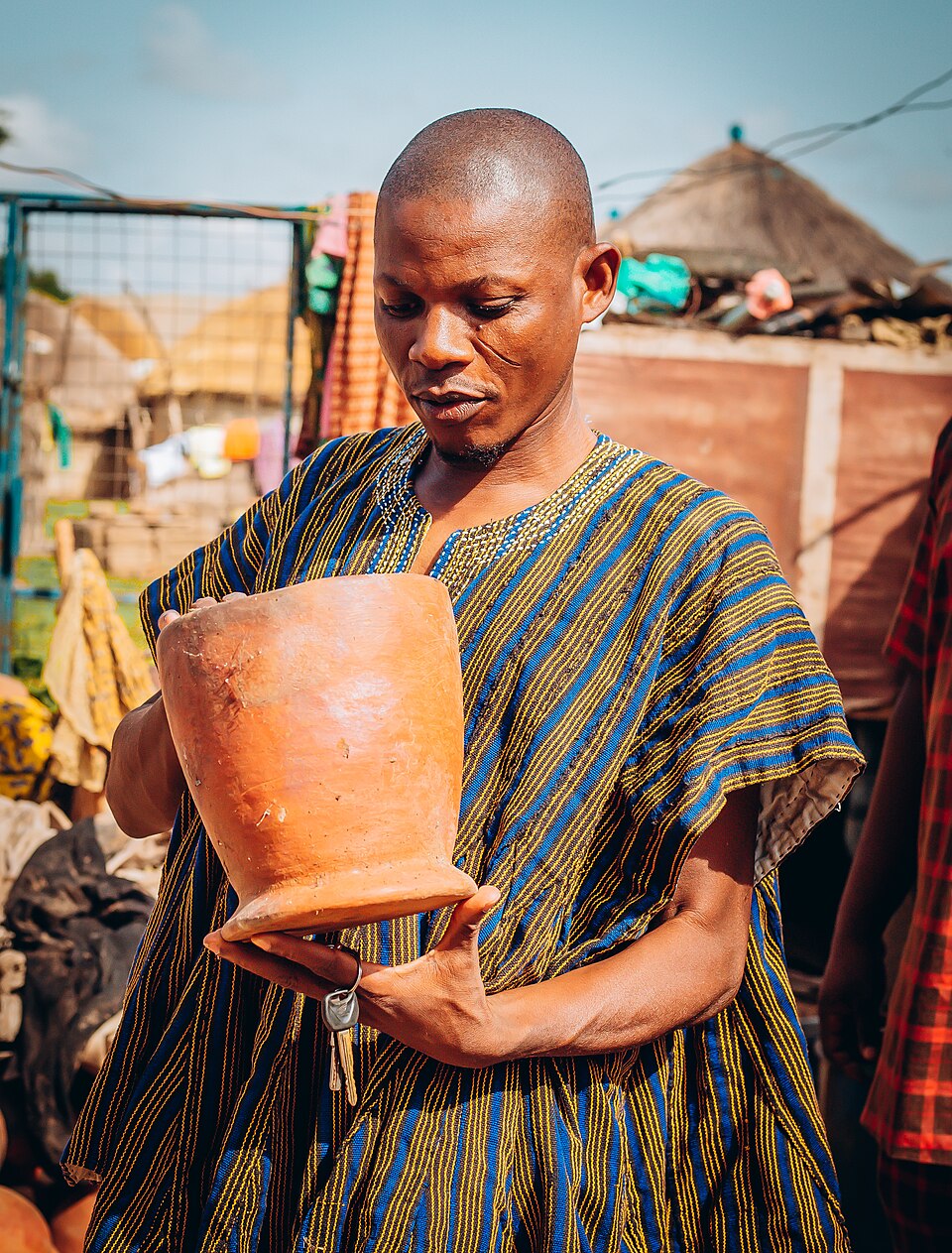
The Savannah's Enduring Legacy: The Dagomba Kingdom, Ya Na, Yendi, and the Ancient Warrior State of Northern Ghana from Ndewura Jakpa to Colonial Encounter
- Dagomba Kingdom
- Ya Na
- Yendi
- Northern Ghana
- Pre-Colonial Africa
- Warrior State
- Savannah Kingdoms
- Naa Gbewaa
- Ndewura Jakpa
- Gonja Wars
- Chieftaincy
Chapter 1
The Genesis of a Dynasty: Myths, Migrations, and the Gbewaa Legacy
Explores the mythical origins of the Dagomba Kingdom, tracing its lineage back to the legendary Naa Gbewaa and the subsequent migrations of the Nyanse people. This chapter delves into the oral traditions, founding myths, and the establishment of the early Dagomba settlements leading to the consolidation of power.
About This Book
"The Savannah's Enduring Legacy" offers a comprehensive exploration of the Dagomba Kingdom, a vital pre-colonial entity that shaped the landscape and culture of Northern Ghana. The book traces the kingdom's origins back to the figure of Ndewura Jakpa, linking the Dagomba to the broader Mole-Dagbani group and the foundational myth of Gbewaa. It carefully analyzes the circumstances surrounding Naa Nyagsi's establishment of Yendi as the capital, delving into the political and social structures that quickly emerged. A central focus of the book is the Ya Na, the paramount ruler, and the complex system of chieftaincy that underpinned Dagomba governance. The text dissects the roles and responsibilities of various chiefs, their relationship to the Ya Na, and the intricate web of alliances and rivalries that characterized the kingdom's internal dynamics. Readers will gain insight into the Dagomba military organization, its strategies, and its impact on the kingdom's expansion and defense against neighboring groups such as the Gonja and the Ashanti. The book examines major historical events, including periods of expansion, internal conflict, and resistance to external pressures. Furthermore, the narrative extends to the colonial encounter, exploring how the Dagomba Kingdom navigated the challenges posed by European powers, particularly the British. It scrutinizes the impact of colonial policies on Dagomba institutions, land tenure, and social structures. By examining the kingdom's pre-colonial strength and its subsequent adaptation to colonial rule, the book provides a nuanced understanding of Dagomba resilience and the enduring legacy of its traditions. The book details specific confrontations and diplomatic maneuvering the Dagomba leadership employed to preserve their sovereignty, thereby underlining their proactive agency rather than portraying them as passive subjects of colonial ambition.
About the Author
The historical narrative of the Dagomba Kingdom has been meticulously pieced together by generations of oral historians, chiefs, and community elders. Much of our understanding relies on rich oral traditions passed down through griots and family lineages. Contemporary scholars such as Ivor Wilks, whose work on Asante history provides valuable comparative context, have further contributed to the academic understanding of the region. More direct historical accounts come from scholars like David Tait, whose ethnographic work in the region helped illuminate the social and political structures. This book therefore stands as a synthesis of indigenous knowledge and academic research, celebrating the legacy of past generations of oral tradition keepers alongside contemporary researchers working to preserve and interpret this rich heritage.
Key Themes
- Pre-colonial state formation
- Chieftaincy and governance
- Military organization
- Oral tradition and history
- Colonial resistance
- Cultural resilience
Why This Matters
The story of the Dagomba Kingdom is vital for understanding the rich tapestry of Ghanaian and African heritage. It demonstrates the existence of sophisticated political and social systems long before the arrival of Europeans, challenging colonial narratives that often portray Africa as lacking in organized governance. By studying the Dagomba Kingdom, readers gain a deeper appreciation for the diversity and complexity of pre-colonial African societies.
This history is particularly relevant for the African diaspora and students, offering a crucial connection to their ancestral past. It highlights the ingenuity, resilience, and agency of African people in shaping their own destinies. Understanding the Dagomba Kingdom provides a powerful counter-narrative to historical misrepresentations and fosters a sense of pride and belonging in a shared African heritage. It also provides valuable insights into the challenges and opportunities faced by contemporary African nations in navigating issues of governance, cultural preservation, and development.
Historical and Cultural Context
The Dagomba Kingdom's story is intricately linked to the broader history of the Mole-Dagbani peoples, whose migrations and interactions shaped much of present-day Northern Ghana and Burkina Faso. Understanding the rise of the Dagomba is enriched by studying the histories of related kingdoms such as the Mamprusi and Nanumba, which share common origins and cultural traits. Within the Sankofa Library, comparing the Dagomba's political structure with that of the Asante Kingdom or the Fante Confederacy provides valuable insights into the diverse forms of governance that existed in pre-colonial West Africa.
Sources & References
- Tamakloe, E.F. A Brief History of the Dagbamba People. Government Printer, Accra, 1931.
- Staniland, Martin. The Lions of Dagbon: Political Change in Northern Ghana. Cambridge University Press, 1975.
- Wikipedia: Kingdom of Dagbon. Accessed February 2026.
- Dagbonkingdom.com: Aboriginal Dagombas - Before the Advent of Yananima.
- MacGaffey, Wyatt. Chiefs, Priests, and Praise-Singers: History, Politics, and Land Ownership in Northern Ghana. University of Virginia Press, 2013.