Keyboard shortcuts
- J: Next chapter
- K: Previous chapter
- T: Toggle table of contents
- Shift+S: Share book
- +: Increase font size
- -: Decrease font size
- Escape: Close modals
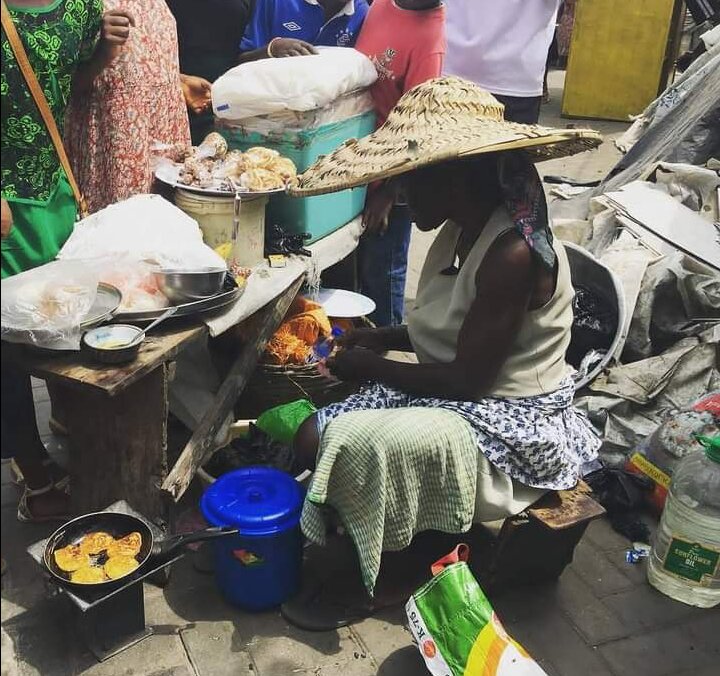
The Silent Architects of Freedom: Ghanaian Market Women and the Economic Engine of Independence (1930-1957)
- Market Women
- Ghana Independence Movement
- Economic Nationalism
- Women's Empowerment
- Colonialism
- Convention People's Party (CPP)
- Accra Riots 1948
- Kwame Nkrumah
- Gold Coast
- Makola Market
- Grassroots Mobilization
Chapter 1
The Enduring Power of the Market: Women's Economic Hegemony in Colonial Gold Coast
Explores the historical foundations of market women's economic dominance, their extensive trading networks, and their control over local commerce, which predated and persisted through colonial rule, establishing them as significant economic actors.
About This Book
"The Silent Architects of Freedom" unveils a crucial yet often overlooked dimension of Ghana's independence struggle: the pivotal role played by market women. This book moves beyond the conventional focus on nationalist politicians and intellectual elites to illuminate the economic and political agency of these formidable women. It argues that their economic dominance, controlling the internal trade networks and key commodities of the Gold Coast, was intrinsically linked to the anti-colonial movement. The book traces the evolution of market women's economic power from the 1930s, showcasing how their entrepreneurial spirit and traditional trading systems, such as the *nkotoku* system of credit and the formation of market associations (*mmaatan*) became vital for capital accumulation and economic resilience in the face of colonial economic policies designed to favor European firms. It meticulously documents how these women strategically navigated colonial regulations, challenged exploitative pricing practices, and boycotted foreign goods, thereby crippling colonial revenue streams and demonstrating their collective strength. Key events examined include the 1948 Accra Riots, often depicted as solely the result of ex-servicemen's grievances, but here re-examined to showcase the significant role of market women in mobilizing support and distributing information. Figures like Mabel Dove Danquah, a writer, activist, and politician who understood the power of the market women, feature prominently, as do unsung heroines like Madam Dokua of Asamankese, known for her fierce advocacy against unfair trading practices. The book also analyzes the market women's financial contributions to the United Gold Coast Convention (UGCC) and the Convention People's Party (CPP), revealing how their economic support fueled the nationalist movement. Readers will learn about the intricate power dynamics within the markets, the women's ability to mobilize collective action, and their strategic use of traditional social structures to challenge colonial authority, ultimately contributing to Ghana’s independence in 1957.
About the Author
This book draws upon a rich tradition of scholarship on Ghanaian women's history, particularly the groundbreaking work of scholars like Beverly Grier, Gracia Clark, and Takyiwaa Manuh, whose research has highlighted the economic and political contributions of women in West Africa. It also relies on oral histories collected from market women themselves, as well as archival materials from the National Archives of Ghana, Basel Mission Archives, and colonial records. This scholarship acknowledges the contributions of numerous other researchers who have studied the complex relationships between gender, trade, and politics in the Gold Coast/Ghana, building a foundation for understanding the multifaceted role of market women in shaping the nation's destiny. It stands on the shoulders of pioneering studies that challenged conventional narratives that excluded women's voices from mainstream history.
Key Themes
- Economic Independence
- Anti-Colonial Resistance
- Gender and Power
- Informal Economy
- Political Mobilization
- Trade Networks
Why This Matters
This book provides a critical corrective to the male-dominated narratives that have traditionally defined Ghanaian history. By centering the experiences of market women, it illuminates the crucial role they played in shaping the economic and political landscape of the Gold Coast during a pivotal period. Understanding their contributions is vital for appreciating the multifaceted nature of the independence struggle and recognizing the agency of ordinary Ghanaians in shaping their own destiny. For the diaspora and students, this story offers a powerful example of African resilience, entrepreneurial spirit, and the enduring strength of women in the face of adversity. It challenges us to rethink traditional historical narratives and to recognize the diverse actors who contributed to the making of modern Ghana.
Historical and Cultural Context
The story of Ghanaian market women resonates with broader themes in African history, particularly the history of women's economic power and their participation in anti-colonial movements across the continent. In the Sankofa Digital Heritage Library, this book connects to other materials documenting the role of women in trade and resistance, such as accounts of the Aba Women's War in Nigeria, demonstrating the widespread nature of female activism in challenging colonial rule and defending economic autonomy. This is part of a larger story about how African people mobilized the forces of economics, culture, and trade to fight for their liberation.
Sources & References
- Clark, Gracia. (1994). Onions Are My Husband: Survival and Accumulation by West African Market Women. University of Chicago Press.
- Allman, Jean Marie. (1993). The Quills of the Porcupine: Asante Nationalism in Colonial Ghana. University of Wisconsin Press.
- Hill, Polly. (1963). The Migrant Cocoa-Farmers of Southern Ghana. Cambridge University Press.
- Robertson, Claire. (1984). Sharing the Same Bowl: A Socioeconomic History of Women and Class in Accra, Ghana. Indiana University Press.
- Tsikata, Dzodzi. (2009). Gender, Land and Labour Relations and Livelihoods in Sub-Saharan Africa. Third World Quarterly.
- Austin, Dennis. (1964). Politics in Ghana 1946-1960. Oxford University Press.
- Manuh, Takyiwaa. (1993). Women, the State and Society in Ghana. Woeli Publishing.
- Watson Commission Report. (1948). Report of the Commission of Enquiry into Disturbances in the Gold Coast. Colonial Office, London.