Keyboard shortcuts
- J: Next chapter
- K: Previous chapter
- T: Toggle table of contents
- Shift+S: Share book
- +: Increase font size
- -: Decrease font size
- Escape: Close modals
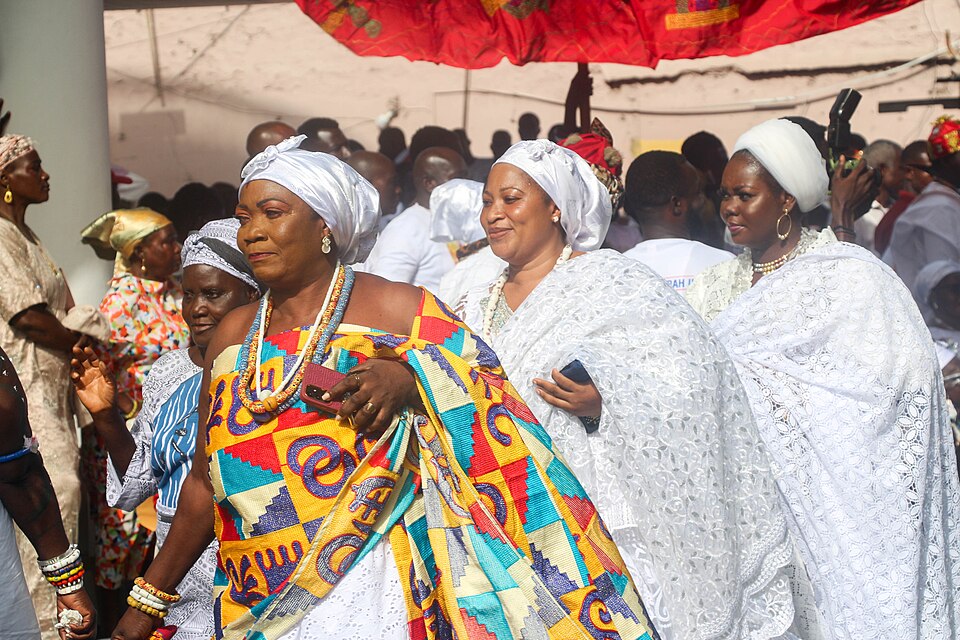
Echoes from the Kpeshi Lagoon: The Ga-Dangme Saga – Origins, Migrations, Homowo, and the Coastal States of Pre-Colonial Accra
- Ga-Dangme
- Homowo
- Accra
- Kpeshi
- Origins
- Migration
- Coastal States
- Pre-Colonial Ghana
- Indigenous Festivals
- Traditional Governance
Chapter 1
The Ancestral Roots: Tracing Ga-Dangme Origins and Linguistic Kinship
Explores the linguistic ties of the Ga-Dangme people to other Kwa languages, examines oral traditions concerning their eastern origins (e.g., Ile Ife, Benin, Togo), and discusses the early dispersal patterns that set the stage for their eventual migrations.
About This Book
"Echoes from the Kpeshi Lagoon" offers a comprehensive exploration of the Ga-Dangme people, their origins, and their indelible mark on the history of Ghana, particularly the pre-colonial era. It begins by disentangling the complex and often debated narratives surrounding Ga-Dangme origins, analyzing both oral traditions pointing towards eastern migrations – possibly linked to ancient civilizations along the Nile or Niger River – and archaeological evidence supporting a more gradual southward movement. The book meticulously charts the separation of the Ga and Dangme peoples, examining the establishment of the independent Ga states, including Accra (Ga Mashie), Osu, La, Teshie, Nungua, and Tema, each governed by its own Mantse (chief) and owing allegiance to the Ga Mantse. It explores the distinctive social, political, and religious institutions that characterized these early settlements. A significant portion of the book addresses the transformative impact of the Atlantic slave trade on the Ga-Dangme. It details how the arrival of European powers -- particularly the Portuguese, Dutch, and British -- led to the construction of coastal forts, such as Ussher Fort, James Fort, and Christiansborg Castle (Osu Castle), which became central to the trade in enslaved Africans. The book chronicles the Ga-Dangme resistance to this exploitation, highlighting key figures and moments of defiance. It also analyzes the ways in which the slave trade and the presence of Europeans reshaped Ga-Dangme society, economy, and political landscape. The narrative culminates with an in-depth account of the Battle of Katamanso (1826), a pivotal event that solidified the power of the Ashanti Empire but also ultimately paved the way for British colonial influence. The book analyzes the complex alliances and motivations of the Ga-Dangme, Ashanti, and other groups involved, showing how this battle served as a turning point in the region's history. Finally, the significance of the Homowo festival as a symbol of Ga-Dangme identity, resilience, and agricultural prosperity is explored in depth, tying together the historical narrative with enduring cultural practices. Readers will gain a deep understanding of Ga-Dangme social structures, political dynamics, and cultural resilience in the face of monumental challenges.
About the Author
The history of the Ga-Dangme people has been meticulously documented by both indigenous scholars and Western researchers over generations. The work of field researchers such as M.J. Field, whose anthropological studies offered insights into Ga social organization and religious beliefs, laid important groundwork. Ivor Wilks’s scholarship on Asante history provides crucial context for understanding the Ga-Dangme within broader regional power dynamics. More recently, scholars like Nii Moi have contributed significantly to understanding Ga chieftaincy and governance. Beyond academic publications, rich oral traditions passed down through generations by Ga-Dangme elders and traditional leaders have played a vital role in preserving and transmitting their history. "Echoes from the Kpeshi Lagoon" draws upon this diverse range of sources, blending scholarly analysis with the voices and memories of the Ga-Dangme people themselves, reflecting a commitment to both academic rigor and cultural preservation. The ongoing work of the Ga-Dangme Council and other cultural organizations ensures that this history continues to be researched, debated, and celebrated.
Key Themes
- Migration narratives
- Pre-colonial state formation
- Atlantic slave trade impact
- Cultural resilience
- Ga-Dangme identity
- Homowo festival
- European colonialism
Why This Matters
Understanding the history of the Ga-Dangme is crucial for grasping the foundations of modern Ghana. As the original inhabitants of the Accra Plains, their story is inextricably linked to the development of Accra, now the nation's capital and a vital economic and cultural hub. Their experiences with the Atlantic slave trade and subsequent interactions with European powers provide invaluable insights into the complexities of colonialism and its enduring legacies in Ghana. For the diaspora, particularly those of Ga-Dangme descent, this history offers a connection to their ancestral roots and a deeper understanding of their cultural heritage. For students, it provides a compelling case study of pre-colonial African societies, their political systems, social structures, and resilience in the face of adversity. Studying the Ga-Dangme story challenges simplistic narratives of African history and highlights the agency and dynamism of African peoples in shaping their own destinies.
Historical and Cultural Context
The Ga-Dangme experience is interconnected with the broader history of coastal West Africa, particularly the Gold Coast. Their interactions with other ethnic groups, such as the Akan and Ewe, and their participation in regional trade networks shaped their cultural and economic development. The establishment of European trading posts and forts along the coast, while initially driven by trade, ultimately led to increased European political and economic control. In the context of the Sankofa Digital Heritage Library, the Ga-Dangme story can be explored alongside other narratives of resistance to colonialism, such as the Ashanti Wars, providing a more comprehensive understanding of the struggles for independence and self-determination in Ghana and beyond.
Sources & References
- Azu, N.A. (1929). Adangbe History. Gold Coast Government Printer.
- Amartey, A.A. (1991). Gamεi Ashikwέi (Origin of the Ga). Tema: Ghana Publishing Corporation.
- Odotei, Irene K. (2003). Migration and Cultural Identity: The Ga Family. Institute of African Studies, University of Ghana.
- Parker, John. (2000). Making the Town: Ga State and Society in Early Colonial Accra. James Currey.
- Field, M.J. (1940). Social Organization of the Ga People. Crown Agents for the Colonies.
- Kropp Dakubu, M.E. (1997). Korle Meets the Sea: A Sociolinguistic History of Accra. Oxford University Press.
- Akyeampong, Emmanuel. (2001). Between the Sea and the Lagoon: An Eco-Social History of the Anlo of Southeastern Ghana. Ohio University Press.
- Encyclopaedia Britannica. (2025). Ga People. britannica.com.