Keyboard shortcuts
- J: Next chapter
- K: Previous chapter
- T: Toggle table of contents
- Shift+S: Share book
- +: Increase font size
- -: Decrease font size
- Escape: Close modals
Homowo: The Ga People's Festival of Triumph Over Famine
- Homowo
- Ga People
- Ga-Dangme
- Accra
- Kpokpoi
- Festivals
- Traditional Religion
- Migration
- Greater Accra
- Pre-colonial Ghana
Chapter 1
Origins and Migration
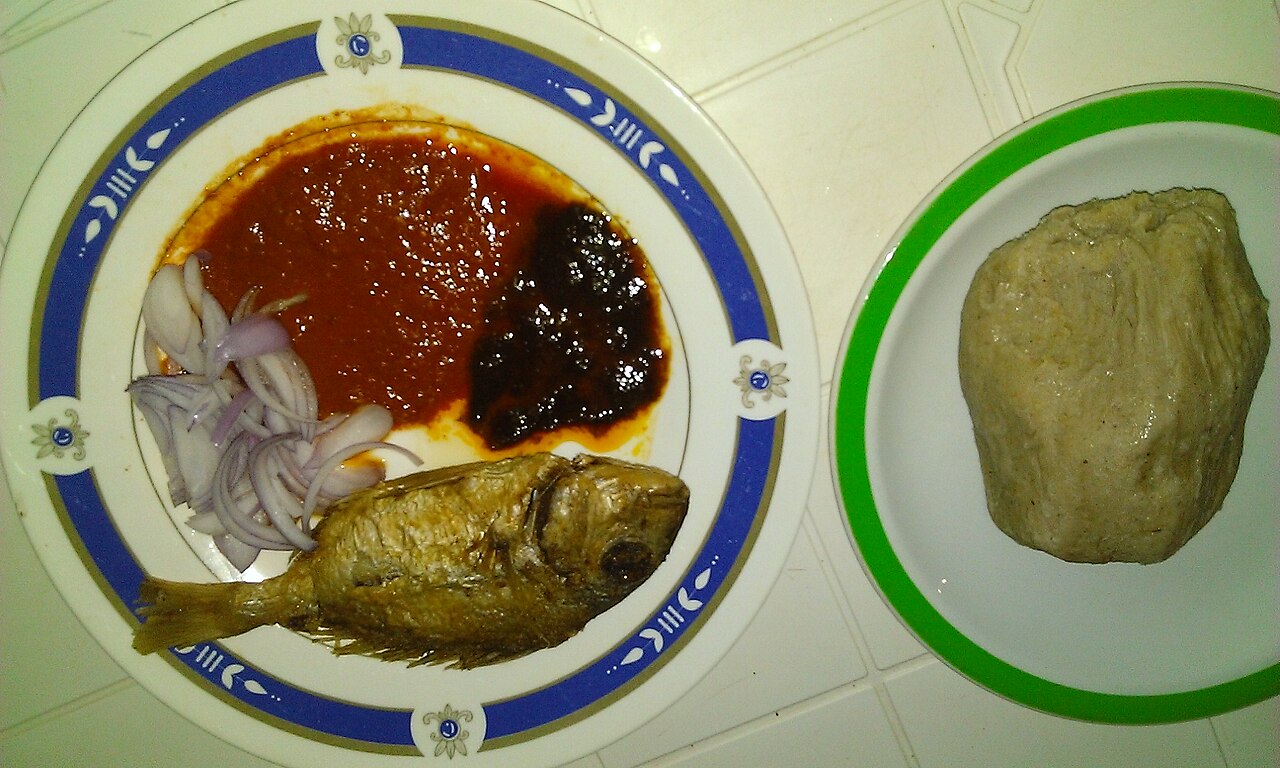
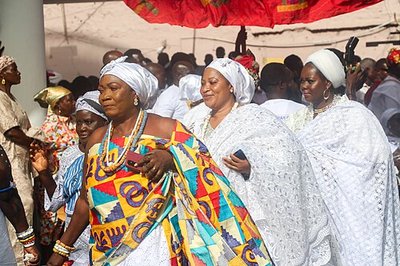
On a Saturday in August, the streets of Ga Mashie, the oldest quarter of Accra, transform. The Ga Mantse, paramount chief of the Ga state, emerges from his palace on horseback. Women carry enormous pots of "kpokpoi," a ritual food made from steamed, fermented corn dough mixed with palm oil and palm nut soup. And everywhere, throughout the narrow lanes of James Town, Ussher Town, Osu, La, Teshie, Nungua, and Tema, the sound of celebration: drums, songs, and the distinctive gesture of Homowo, the ritual sprinkling of kpokpoi on the ground, on doorsteps, at crossroads, and in the compounds of the living and the resting places of the dead. This is Homowo, the festival of "hooting at hunger," and for the Ga people it is the most sacred event in the calendar.
The origins of Homowo are embedded in the Ga migration narrative, one of the great founding stories of the peoples of the Gold Coast. According to oral traditions recorded by the historian Irene Quaye and the ethnographer Marion Kilson, the Ga-Dangme peoples migrated westward from somewhere in the region of present-day eastern Nigeria or Benin, possibly from the ancient city of Ile-Ife in Yorubaland, though this connection remains debated among scholars. Some traditions point to a more proximate origin in the Volta Region or even further east near Lake Chad. What the traditions consistently recall is a long and arduous journey during which the migrating Ga people suffered a terrible famine.
About This Book
"Homowo: The Ga People's Festival of Triumph Over Famine" provides a comprehensive account of this pivotal festival in the Ga calendar, meticulously reconstructing its origins and development from the pre-colonial era to the present day. The book begins by situating Homowo within the larger context of Ga history, tracing the Ga-speaking people's migration from areas east of the Volta River -- potentially from the region of present-day Benin and Nigeria. It details the challenges they faced, including internecine warfare with other groups, as they migrated westward and eventually settled in the Accra plains. A central focus is the devastating famine that struck the early Ga settlements. The book analyzes how this period of severe hardship became a defining moment, shaping Ga identity and solidifying communal bonds. It elaborates on the agricultural practices and social structures that were implemented to overcome the famine, with particular attention paid to the role of traditional priests (Wulomei) in guiding the community through ritual practices and agricultural innovation. The text meticulously outlines the Homowo ritual calendar, starting from the ban on drumming and noise-making (Nmaa Dumo) in May, symbolizing a period of solemn reflection and preparation for the harvest. It explores the significance of the various rituals performed during the celebration, including the sprinkling of kpokpoi (a traditional corn-based food) by the Ga Mantse (King) and other leaders, the ceremonial cleansing of stools (ancestral seats), and the role of drumming and dancing in expressing joy and thanksgiving. Key figures such as Ayi Kushi, traditionally credited with leading the Ga people to their present location, are highlighted, along with the roles of specific clans and their contributions to the festival. Readers will gain an understanding of the festival's symbolic meanings, the interconnectedness of its various elements, and its enduring role in maintaining Ga cultural cohesion.
About the Author
While the Sankofa Digital Heritage Library presents this text, it's vital to acknowledge the scholars who've laid the groundwork for our understanding of Homowo. Early ethnographic accounts by figures like A.B. Ellis and M.J. Field offer valuable, though sometimes colonial-era biased, observations. Later, scholars such as Ivor Wilks, Marion Kilson, and Irene Odotei have produced more nuanced interpretations, focusing on oral traditions, linguistic evidence, and the festival's social and political functions. Fieldwork-based studies by contemporary Ga scholars, often working within the Institute of African Studies at the University of Ghana, are crucial in understanding the ongoing evolution of Homowo. This entry builds upon their research, presenting a synthesized and accessible account of this rich cultural heritage.
Key Themes
- Famine and Resilience
- Ga Migration History
- Ancestral Veneration
- Ritual and Performance
- Agricultural Cycles
- Ga Identity
- Communal Unity
Why This Matters
Homowo matters profoundly for understanding Ghanaian and African heritage because it showcases the resilience of communities in the face of adversity and the enduring power of cultural traditions. It exemplifies how historical events can be transformed into rituals that reinforce collective identity and values. The festival demonstrates the deep connection between people and land, highlighting the importance of agriculture and sustainable practices.
For the diaspora, Homowo provides a vital link to their ancestral past, offering insights into the history, values, and cultural practices of the Ga people. For students, it presents a rich case study of how communities create meaning, negotiate challenges, and maintain cultural continuity across generations. Engaging with Homowo allows for a deeper appreciation of the diversity and richness of African cultures, moving beyond stereotypes and promoting a more nuanced understanding of the continent's history.
Historical and Cultural Context
Homowo aligns with broader African traditions of harvest festivals and rites of passage that are found across the continent. Similar celebrations, emphasizing the importance of agriculture and ancestral connection, can be seen in the yam festivals of the Igbo people of Nigeria and the Umkhosi Wokweshwama (First Fruits Festival) of the Zulu in South Africa. Within the Sankofa Library, Homowo can be contextualized alongside materials detailing other Ghanaian festivals like Akwasidae of the Ashanti or Hogbetsotso Za of the Ewe, which each showcase the diverse tapestry of Ghana's cultural heritage and the varied ways in which different ethnic groups express their history and identity.
Sources & References
- Kilson, Marion. Kpele Lala: Ga Religious Songs and Symbols. Harvard University Press, 1971.
- Quaye, Irene. 'The Ga and Their Neighbours, 1600-1742.' PhD dissertation, University of Ghana, 1972.
- Field, M.J. Social Organization of the Ga People. Crown Agents for the Colonies, 1940.
- Parker, John. Making the Town: Ga State and Society in Early Colonial Accra. James Currey, 2000.
- Ammah, Charles N. Ga Homowo and Other Ga-Adangbe Festivals. Sedco Publishing, 1982.
- Nii Noi Nortey, Samuel. 'The Significance of Homowo in Ga Culture.' Journal of African Cultural Studies 17:2 (2005).
- Robertson, Claire. Sharing the Same Bowl: A Socioeconomic History of Women and Class in Accra. Indiana University Press, 1984.