Keyboard shortcuts
- J: Next chapter
- K: Previous chapter
- T: Toggle table of contents
- Shift+S: Share book
- +: Increase font size
- -: Decrease font size
- Escape: Close modals
Echoes of Sovereignty: The Damba Festival and the Dagomba Kingdom in Pre-Colonial Ghana
- Dagomba
- Damba Festival
- Yaa Naa
- Pre-Colonial Ghana
- Traditional Festivals
- Northern Ghana
- Chieftaincy
- Islamic Influence
- Cultural Heritage
- Rituals
Chapter 1
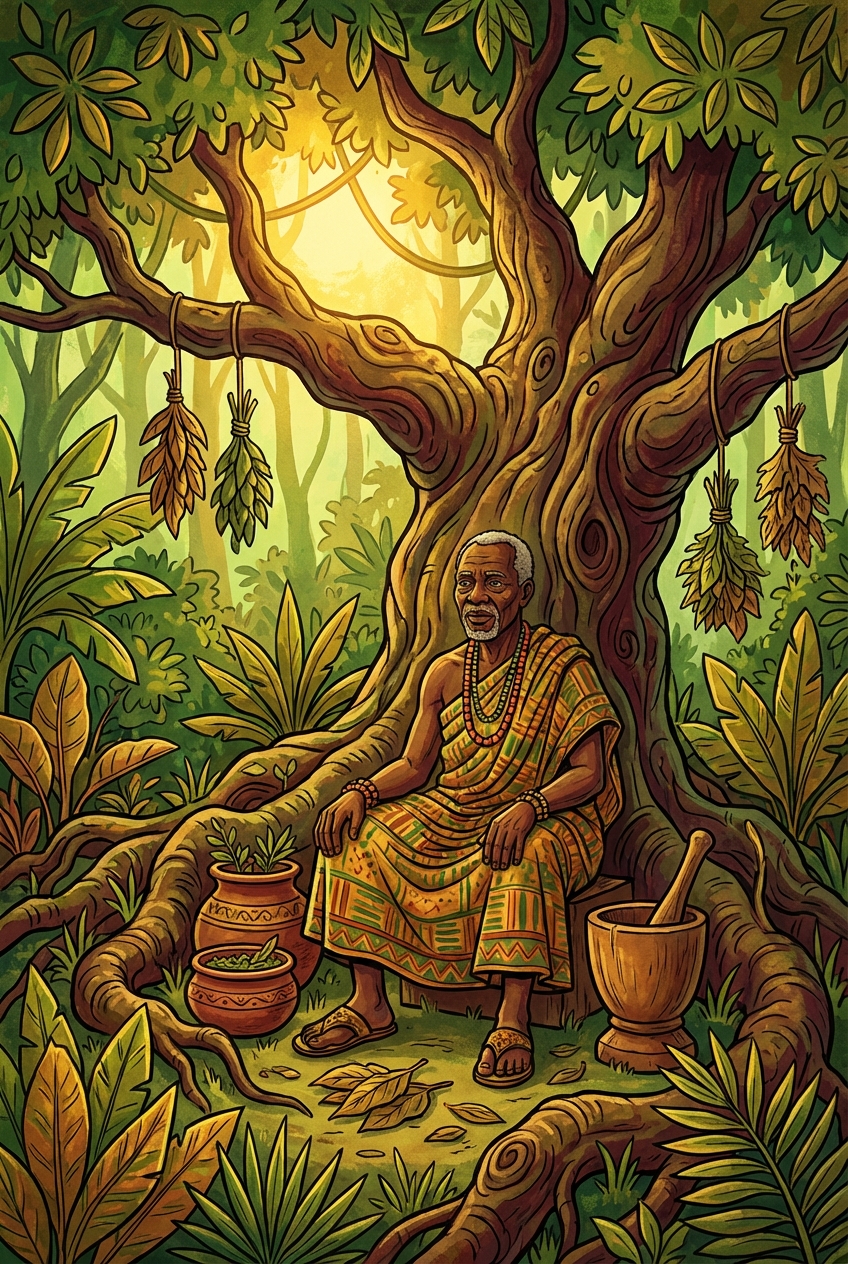
The Genesis of the Dagomba Kingdom and the Festival's Roots
Explores the legendary origins of the Dagomba Kingdom, the establishment of its political structures, and the initial cultural landscape that set the stage for the emergence of the Damba Festival, tracing its earliest traditional and proto-Islamic influences.
About This Book
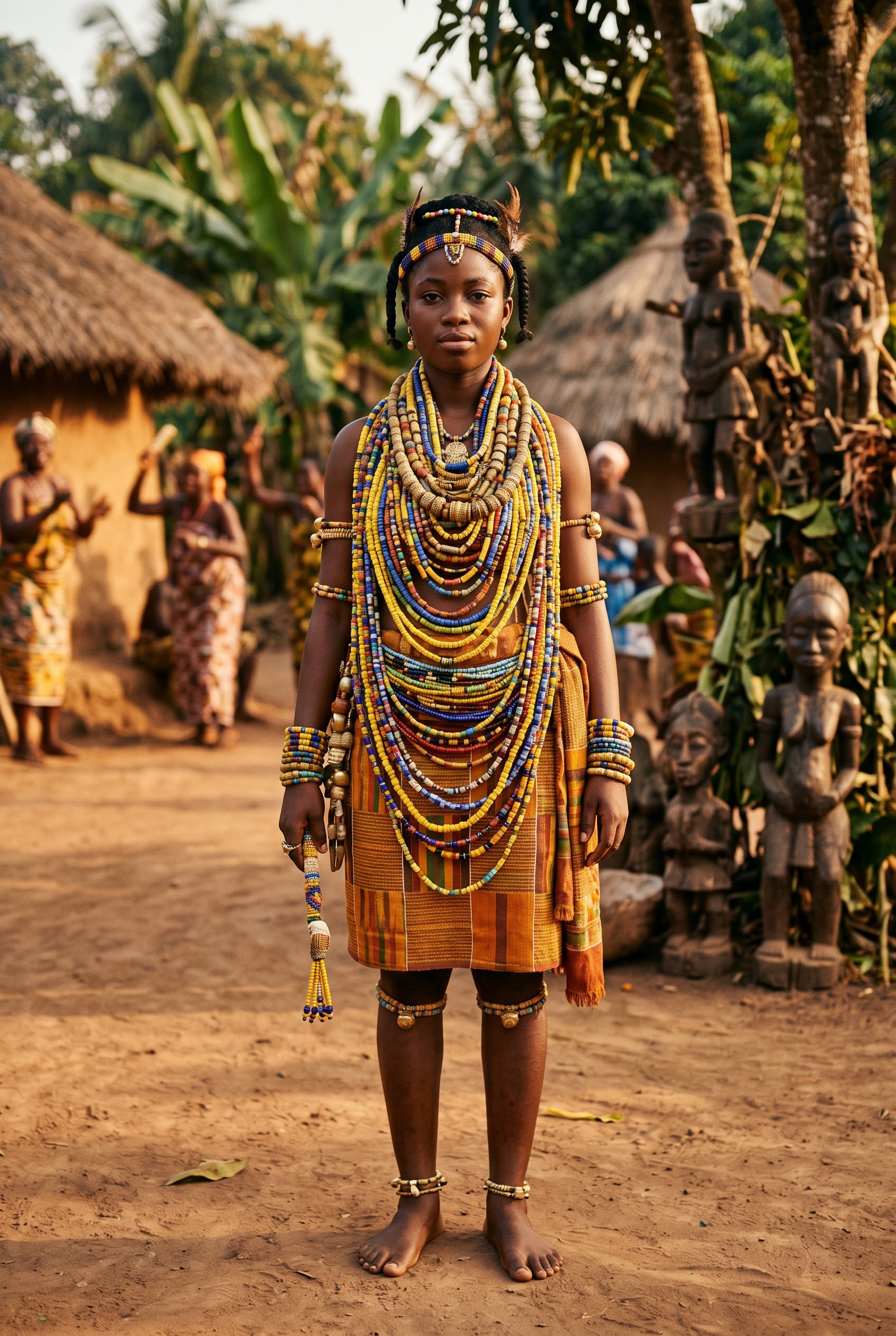
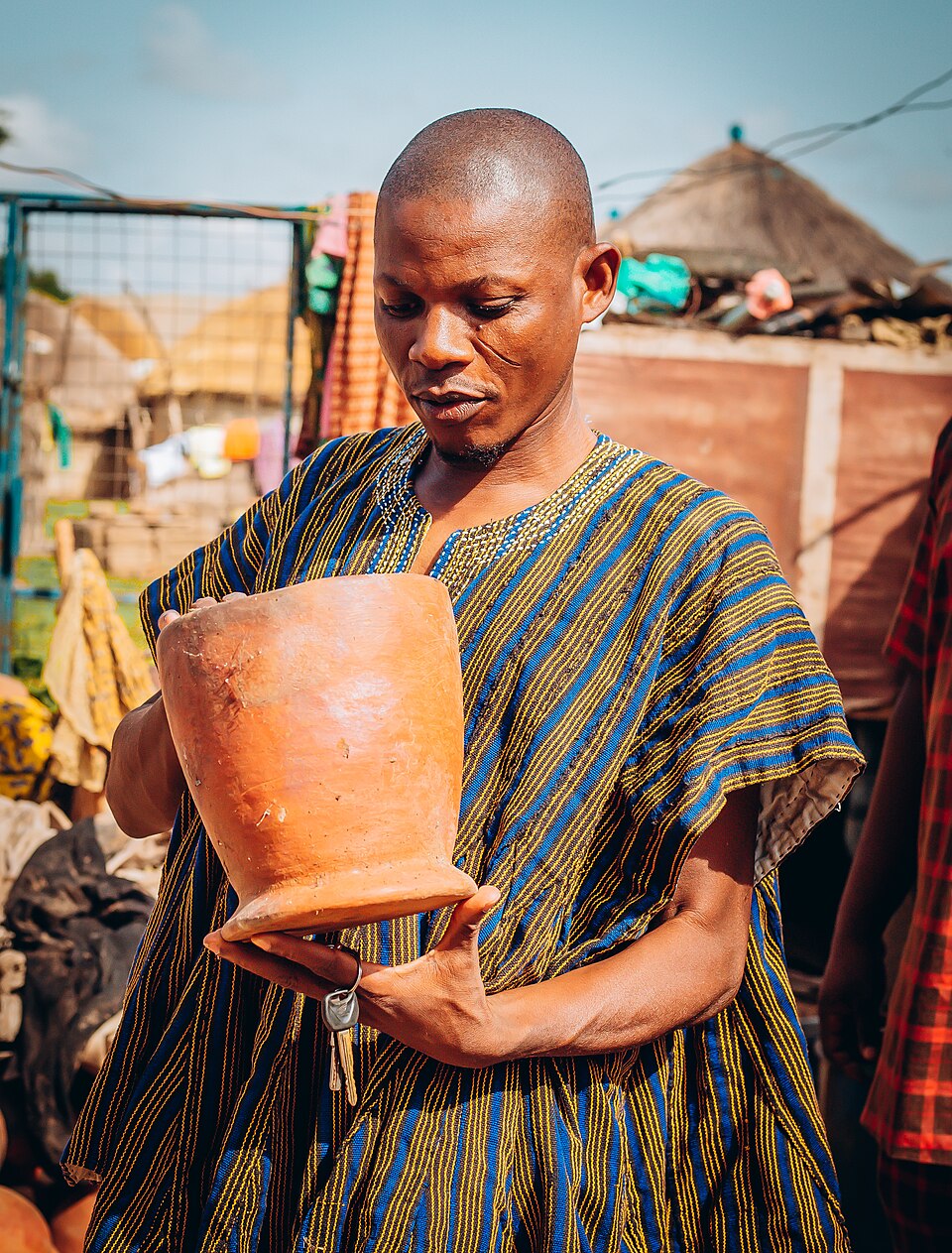
"Echoes of Sovereignty: The Damba Festival and the Dagomba Kingdom in Pre-Colonial Ghana" delves into the multifaceted history and cultural significance of the Damba festival, the pre-eminent annual event of the Dagomba people in northern Ghana. Rooted in both Islamic religious observance and pre-Islamic Dagomba chieftaincy practices, the book traces the festival's evolution from its likely origins in the 15th century to its contemporary manifestation. The narrative explores the pivotal role of the Dagomba kings, known as *Naas*, in shaping the festival and integrating Islamic beliefs into the socio-political fabric of the kingdom. The book examines the historical context of the arrival of Muslim traders, particularly Hausa and Wangara merchants, at the Dagbon court in Yendi. These interactions facilitated the introduction of Islam and the subsequent adaptation of existing Dagomba customs to incorporate Islamic elements. Particular attention is paid to the reign of Naa Titugri and his relationship with the Kamshe-Naa, a powerful figure in the Dagomba state, emphasizing their role in solidifying the spiritual alliance that underpinned the early stages of Damba's development. The text also elucidates the influence of Naa Zanjina, whose reign marked a crucial period of Islamic consolidation within Dagomba governance and further shaped the Damba festival's trajectory. The book provides a detailed account of the week-long festival's ceremonies, including the Somo Damba, highlighting the symbolic meanings behind each ritual. Through meticulous research and oral traditions, "Echoes of Sovereignty" reveals the ways in which Damba serves as a powerful expression of Dagomba identity, royal authority, and the enduring legacy of the kingdom's pre-colonial past. Readers will gain insight into the complex interplay of religious syncretism, political power, and cultural expression that defines the Damba festival and its place within Ghanaian history. The book highlights how the Damba festival functions as a living testament to the Dagomba's ability to adapt and maintain their cultural sovereignty.
About the Author
The study of the Damba festival and the Dagomba kingdom is indebted to generations of oral historians, local chiefs, and dedicated scholars. Key figures in documenting Dagomba history include Dr. Iddrisu Adam, whose extensive fieldwork and interviews with elders have been instrumental in preserving and interpreting Dagomba traditions. Works by anthropologists like Jack Goody have also contributed valuable insights into Dagomba social structure and chieftaincy. More recently, scholars such as Alhassan Sulemana Anamzoya have expanded upon these foundational studies, focusing on the role of Islam in shaping Dagomba culture and political institutions. This book draws upon this rich tradition of scholarship, acknowledging the collective effort of those who have dedicated themselves to understanding and preserving the history of the Dagomba people.
Key Themes
- Dagomba Chieftaincy
- Islamic Syncretism
- Cultural Preservation
- Royal Authority
- Pre-Colonial Governance
- Oral Tradition
- Religious Adaptation
Why This Matters
The Damba festival offers a crucial window into the complexities of pre-colonial Ghanaian societies and their encounters with Islam. It stands as a powerful example of how communities adapt, integrate, and maintain their cultural identity in the face of external influences. Its importance lies in showcasing the agency of African societies in shaping their own destinies, rather than being passive recipients of external forces.
For the diaspora and students, engaging with this story is vital to understand the diverse and dynamic nature of African history. Damba highlights the sophisticated political structures and rich cultural heritage that existed in pre-colonial Ghana, challenging simplistic narratives of the past. It provides an opportunity to connect with the cultural roots of the Dagomba people, understand the complexities of Islamic influences in West Africa, and appreciate the enduring power of cultural traditions in shaping identity and preserving heritage. The study of Damba offers an opportunity to see how identities can adapt and change while retaining a strong sense of belonging.
Historical and Cultural Context
The Damba festival exists within a broader context of similar cultural events throughout West Africa that showcase royal power and communal identity. It can be compared to events like the Homowo festival of the Ga people or the Odwira festival of the Akan, all of which serve as displays of cultural heritage and reaffirmations of social bonds. Moreover, the integration of Islamic practices into indigenous traditions mirrors similar processes observed in other parts of the Sahel region, illustrating a common thread of cultural adaptation and syncretism that has shaped the religious landscape of West Africa. The Sankofa Library provides the opportunity to place this study alongside related studies in West Africa, enabling a comparative understanding of these traditions.
Sources & References
- Staniland, Martin. (1975). The Lions of Dagbon: Political Change in Northern Ghana. Cambridge University Press.
- MacGaffey, Wyatt. (2013). Chiefs, Priests, and Praise-Singers: History, Politics, and Land Ownership in Northern Ghana. University of Virginia Press.
- Mahama, Ibrahim. (2004). History and Traditions of Dagbon. GILLBT Press.
- Dagbon Kingdom. (2024). Damba Festival: Unveiling the Rich History. dagbonkingdom.com.
- Levtzion, Nehemia. (1968). Muslims and Chiefs in West Africa. Clarendon Press.
- Hiskett, Mervyn. (1984). The Development of Islam in West Africa. Longman.
- Ghana Tourism Authority. (2023). Damba Festival Guide. visitghana.com.