Keyboard shortcuts
- J: Next chapter
- K: Previous chapter
- T: Toggle table of contents
- Shift+S: Share book
- +: Increase font size
- -: Decrease font size
- Escape: Close modals
Nkrumah's Baby: The Akosombo Dam, Lake Volta, and the Electrification of a Nation (1915-1966)
↓Chapter 1
From Kitson's Dream to Nkrumah's Vision: The Origins of the Volta River Project (1915-1957)
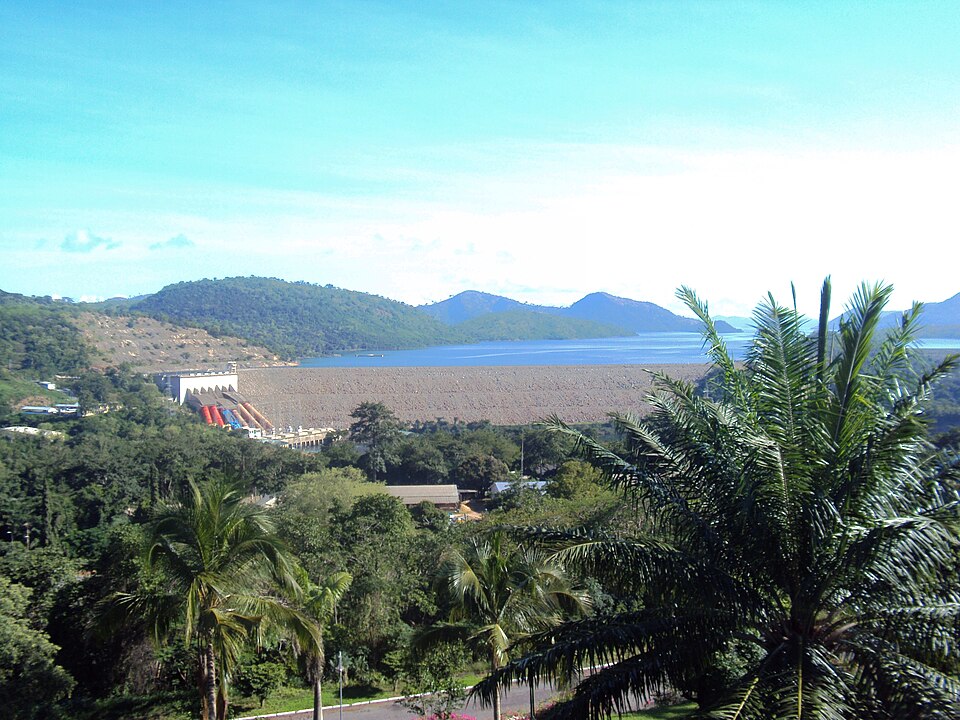
The story of the Akosombo Dam begins not with Kwame Nkrumah but with a British geologist named Albert Ernest Kitson. In 1915, while serving as Director of the Gold Coast Geological Survey, Kitson identified the Akosombo gorge on the Volta River as an ideal site for hydroelectric generation. His vision was colonial in purpose: harness the river to smelt the Gold Coast's substantial bauxite reserves (estimated at 200-300 million tonnes in the Kibi and Nyinahin deposits) into aluminium for the British war economy. The idea languished for three decades. In 1949, the British colonial government commissioned Sir William Halcrow and Partners to produce a comprehensive feasibility study. The resulting Volta River Project (VRP) proposal envisioned a dam at Ajena, an aluminium smelter, a deepwater harbour at Tema, and a new township. The estimated cost of 144 million pounds was staggering for a colonial territory. The 1952 White Paper recommended proceeding, but a change of British government and Cold War anxieties shelved the project. Nkrumah inherited the VRP concept at independence in 1957 and transformed it from a colonial extraction scheme into the centrepiece of his vision for industrial modernisation. Where the British had conceived a project to export raw aluminium to Liverpool, Nkrumah imagined it as the engine of a self-sufficient industrial economy, powering not just a smelter but factories, mines, railways, and homes across Ghana. The dam became, in historian Stephan Miescher's phrase, "Nkrumah's Baby" — the most personal of his development ambitions.
About This Book
"Nkrumah's Baby: The Akosombo Dam, Lake Volta, and the Electrification of a Nation (1915-1966)" delves into the multifaceted history of one of Ghana's most ambitious post-independence projects -- the Akosombo Dam and the creation of Lake Volta. This book transcends a mere engineering narrative, instead offering a critical examination of Kwame Nkrumah's vision for a rapidly industrializing Ghana and the complex social, economic, and environmental consequences of his grand design. It meticulously traces the dam's genesis, from its nascent stages as a colonial-era concept to its realization under Nkrumah's leadership, highlighting the shifts in political will and the evolving rationale for such a monumental undertaking. The book illuminates the pivotal role of international actors -- particularly the United States and the World Bank -- in financing and shaping the project, exposing the intricacies of Cold War politics and neo-colonial dependencies that defined Ghana's development trajectory. It explores the negotiations, compromises, and power dynamics that underpinned the agreements, revealing the conditions under which Ghana secured funding and the implications for its sovereignty. Beyond the corridors of power, the book meticulously documents the devastating impact of the dam on local communities. The forced resettlement of over 80,000 people from their ancestral lands, the disruption of traditional livelihoods based on agriculture and fishing, and the ecological transformations of the Volta River basin are examined with sensitivity and scholarly rigor. The narrative includes firsthand accounts and oral histories, giving voice to those whose lives were irrevocably altered by the project. The reader will gain an understanding of the intended benefits of the dam -- provision of electricity for industrialization, irrigation for agriculture, and improved transportation -- alongside a nuanced assessment of its unintended consequences and the enduring challenges they pose to Ghanaian society. The book asks crucial questions about development, progress, and the enduring legacy of Nkrumah's vision for a modern Ghana.
About the Author
The study of Nkrumah's development policies and the Akosombo Dam draws from a rich tradition of scholarship in Ghanaian and African history. Historians such as Richard Rathbone and Emmanuel Akyeampong have extensively analyzed the Nkrumah era, providing critical perspectives on his developmental strategies and their social impact. Sociologists like Max Assimeng explored the social transformations accompanying industrialization and urbanization during this period. Anthropological studies, especially those focusing on resettlement schemes, such as the work of Thayer Scudder, offer invaluable insights into the human cost of large-scale development projects. This book builds upon this foundation, engaging with existing literature while offering fresh perspectives based on archival research and oral testimonies, contributing to a more nuanced understanding of the Akosombo Dam's complex legacy.
Key Themes
- Industrialization
- Development economics
- Forced resettlement
- Environmental impact
- Nkrumahism
- Cold War politics
Why This Matters
The Akosombo Dam serves as a powerful case study for understanding the complexities of development in post-colonial Africa. Its story resonates deeply with contemporary debates about sustainability, social justice, and the legacies of modernization. Examining the Dam's impact – both positive and negative – provides crucial insights into the challenges of balancing economic progress with the preservation of cultural heritage and environmental integrity. For the African diaspora, this narrative offers a valuable opportunity to engage with the tangible consequences of nation-building projects in Ghana and to reflect on the enduring relationship between development, identity, and belonging. Students can explore themes of neocolonialism, resource management, and the ethical implications of large-scale infrastructure projects, fostering critical thinking about the path toward sustainable and equitable development in Africa and beyond.
Historical and Cultural Context
The Akosombo Dam project occurred during a period of intense Pan-African activity and nation-building across the continent. Understanding its historical context requires placing it alongside similar large-scale development initiatives undertaken in other newly independent African nations, such as the Aswan High Dam in Egypt. Further context can be found within the Sankofa Library by exploring materials related to Kwame Nkrumah's broader vision for a unified and industrialized Africa, as well as resources documenting the experiences of communities displaced by development projects in other regions of the continent.

'/%3E%3Crect width='900' height='1200' fill='url(%23p)' opacity='.7'/%3E%3Ctext x='450' y='560' text-anchor='middle' font-size='140' font-family='serif'%3E%E2%9C%8A%3C/text%3E%3Ctext x='450' y='680' text-anchor='middle' fill='%23fff3c4' font-size='54' font-family='Georgia,serif' font-weight='700'%3ESankofa Library%3C/text%3E%3Ctext x='450' y='745' text-anchor='middle' fill='%23fff3c4' fill-opacity='.8' font-size='30' font-family='Arial,sans-serif'%3ECover under review%3C/text%3E%3C/svg%3E)